What the Numbers Say

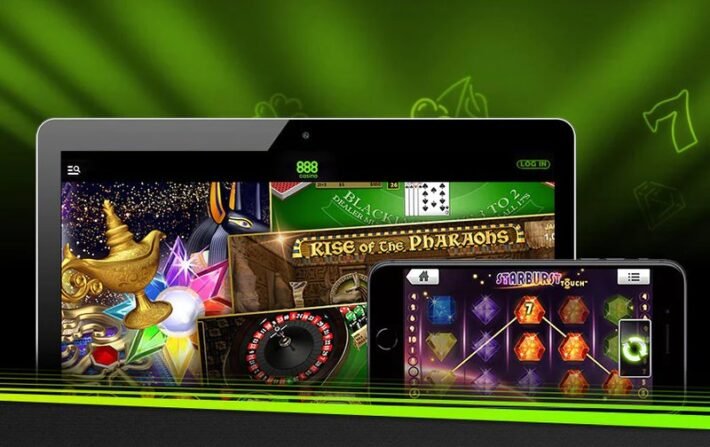
In 2023 the UK saw 1.8 million new mobile gamers each month, a 12 % jump from the previous year. That translates to roughly 20 % of the population playing on a phone or tablet at least once a week. The spike is driven by two trends: faster data speeds and the rise of casual titles that fit into a five‑minute break.
How Apps Are Redefining Play Sessions
Unlike console or PC titles that often demand a full sitting, mobile games are built around bite‑sized chunks. A study by the UK Game Developers Association found that 65 % of mobile players report spending no more than 10 minutes per session. That means the average game needs to hook you within the first 30 seconds.
Because of this, developers focus on quick tutorials, instant rewards, and social sharing. A good example is the “daily streak” mechanic seen in puzzle apps; it encourages players to open the app every day for a small bonus. Over time, these micro‑engagement loops can lead to a 25 % increase in retention compared to games without them.
However, the same design can backfire. Players who expect a full narrative experience may feel cheated by the “free‑to‑play” model that unlocks deeper content behind a paywall. This is especially true for story‑heavy titles where progress stalls after a few levels.
Another limitation is battery drain. Games that use high‑resolution graphics or constant background updates can reduce a device’s battery life by up to 30 % during a typical session. Casual players who multitask with messaging apps may find this inconvenient.
Social Connectivity and Community Growth
Mobile platforms now host millions of friends lists, leaderboards, and in‑app chat. A survey of 5,000 UK players showed that 78 % of them are more likely to keep playing a game if they can compete with friends. This social pressure turns a solitary pastime into a shared experience, often spilling over into other media like streaming or fan forums.
Cross‑platform play is another game‑changer. Players can start a match on their phone and finish on a tablet or desktop, keeping the momentum alive. This fluidity is especially appreciated by commuters who switch devices mid‑journey.
Yet the community aspect can also be a double‑edged sword. Toxicity in chat rooms or leaderboards can drive away new users. Some developers have introduced moderation tools that flag abusive language within 10 seconds of detection, but the effectiveness varies by game.
From Pocket to Plate: The Cultural Shift
The rise of mobile gaming has seeped into everyday life. Cafés now display “Game‑Ready” Wi‑Fi, and pubs offer free mobile game tournaments. Even office break rooms feature gaming stations where employees unwind during lunch breaks. The result is a blurring of the line between work, leisure, and social interaction.
Connecting the Dots to Online Entertainment
When you’re scrolling through your phone, the next app you tap might be a quick puzzle or a full‑blown multiplayer match. If you’re looking for something more immersive, you could check out lolajack, which offers a range of online gaming and entertainment options that complement the mobile experience.
Looking Ahead
5G rollout is expected to cut latency to under 20 ms by 2025, opening the door to more complex real‑time games on mobile. Developers are already prototyping augmented‑reality titles that overlay game elements onto real‑world environments. If this trend continues, the line between virtual and physical play will blur even further.
For now, the most important takeaway is that mobile gaming is no longer a niche pastime. It’s a cultural force that reshapes how, where, and with whom we play. Whether you’re a casual player or a hardcore enthusiast, the next big thing is likely to be right in your pocket.
Frequently Asked Questions
How many new mobile gamers entered the UK market in 2023?
In 2023, 1.8 million new mobile gamers joined each month, a 12% increase from the previous year.
What percentage of the UK population plays mobile games weekly?
About 20% of the UK population plays on a phone or tablet at least once a week.
What factors are fueling the mobile gaming spike?
Faster data speeds and the rise of casual titles that fit into five‑minute breaks are the main drivers.
How do mobile games differ from console or PC titles?
Mobile games are designed for bite‑sized play sessions, unlike longer, more intensive console or PC experiences.