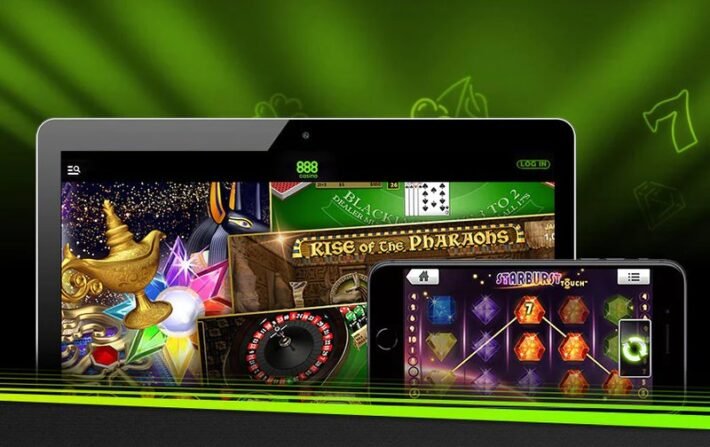
What Is Mobile Gaming, Exactly?

Mobile gaming means playing video games on a smartphone or tablet, using touch controls, sometimes with a controller attachment. It’s not just casual puzzles; the latest titles can rival console experiences in graphics and depth. For the first time since the early 2000s, a handheld device can host a full‑blown multiplayer arena, a 4K‑quality RPG, or a live streaming platform where players watch and chat in real time.
How the Numbers Tell the Story
In 2023, global mobile game revenue hit $94 billion, up 15 % from 2022. That growth is driven by three key trends:
- Over 2.6 billion people own a smartphone capable of running 3D games.
- Average playtime per user rose to 6.3 hours per week, a 12 % jump.
- Free‑to‑play titles that monetize through cosmetic items now generate 70 % of total spend.
These figures show that mobile is no longer a niche; it’s the primary platform for new releases and ongoing content updates.
Why Developers Are Turning to Mobile
Building for mobile forces teams to think differently. They must optimize for battery life, varied screen sizes, and intermittent connectivity. That pressure has produced several innovations:
- Adaptive graphics that switch resolution on the fly, keeping frame rates above 30 fps on low‑end devices.
- Cloud‑based multiplayer that lets a 50‑player battle royale run smoothly even on a 2G connection.
- Cross‑platform saves that sync across iOS, Android, and PC, so a player can pick up a game on a phone and finish it on a laptop.
These advances blur the line between mobile and traditional gaming, making it harder for players to choose a platform.
The Social Layer That Keeps Players Hooked
Modern mobile games embed social features deeper than ever before. In 2023, 68 % of mobile titles included a built‑in chat or community hub. A single example is a battle‑royale app that introduced “clan raids” in June, allowing groups of up to 12 to coordinate attacks. The result? Average session length grew from 12 minutes to 18 minutes within three months of launch.
These social hooks are not just for fun. They drive retention: players who join a community are 3.5 times more likely to return after a week than those who play solo.
From Mobile to the Wider Entertainment Ecosystem
Mobile gaming’s influence spills over into other digital entertainment. The same engines that power a 3D shooter on a phone now run VR experiences on a headset, and the same social frameworks that keep gamers engaged are being used in streaming services, e‑learning platforms, and even live sports apps. When a player finishes a match, the game can automatically push a short highlight reel to a social feed, which then gets shared across TikTok, Instagram, and YouTube. This cross‑pollination means that the boundaries between gaming, streaming, and social media are dissolving faster than ever.
For those who enjoy a mix of gaming and leisure, visiting surrey-driveways.co.uk offers a surprising look at how digital experiences can enhance everyday life, from planning a road trip to visualizing a new driveway design.
What Could Go Wrong?
Mobile’s rapid growth has its downsides. The same features that keep players engaged can also trap them. A study from 2022 found that 27 % of users report feeling “addicted” to a mobile game, citing in‑app purchases as the main trigger. Moreover, privacy concerns grow when games collect extensive data to personalize ads and gameplay. Developers must balance monetization with transparency, and regulators are starting to crack down on opaque data practices.
Looking Ahead
5G rollout, edge computing, and AI‑driven personalization are the next frontiers. With 5G, latency will drop below 10 ms, enabling real‑time multiplayer on any device. Edge servers will process game logic closer to the player, reducing lag even further. AI can adapt storylines on the fly, creating a unique narrative for each player.
In short, mobile gaming isn’t just a side track; it’s reshaping how we consume entertainment. The platform’s flexibility, social depth, and technological advances mean that the next wave of immersive experiences will likely arrive on a phone, a tablet, or a smartwatch, not a console.
Frequently Asked Questions
What exactly is mobile gaming?
Mobile gaming refers to playing video games on smartphones or tablets using touch controls, sometimes with a controller attachment, offering experiences from casual puzzles to console‑level adventures.
How does mobile gaming compare to console gaming?
Modern mobile titles can rival consoles in graphics and depth, featuring multiplayer arenas, high‑resolution RPGs, and live streaming platforms.