What Is Mobile Gaming?

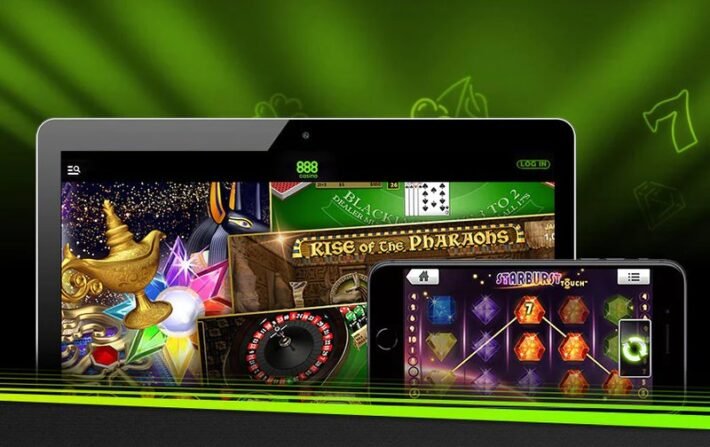
Mobile gaming means playing video games on a smartphone or tablet. It’s not just casual puzzles; it includes full‑blown action titles, strategy simulators, and even virtual reality experiences that run on the same hardware you use for texting. The average UK player spends about 4 hours a week on mobile games, according to the UK Games Research report 2024.
How the Numbers Are Shifting the Market
Last year, the UK mobile gaming market grew by 12 % in revenue, reaching £2.3 billion. That’s a jump of roughly £300 million over 2023. The growth is driven by three key factors: lower entry barriers, better network speeds, and a surge in esports tournaments that can be watched live on a phone.
- Downloadable titles now average 15 min of play per session.
- In‑app purchases hit a peak of £1.2 billion in Q2 2024.
- Over 60 % of players say they discovered a new game through a friend’s recommendation on social media.

From Pocket to Party: Social Interaction on the Go
Mobile games have become a social hub. Multiplayer titles like Clash Royale and Call of Duty: Mobile allow you to team up with strangers worldwide within seconds. A study by the Social Gaming Institute found that 45 % of players spend more than an hour chatting with teammates during a single session. This social layer turns a solo pastime into a communal event, often spilling over into voice chat and live streaming on platforms such as Twitch.
Because the games run on everyday devices, people can hop on a game during a train ride, a lunch break, or while waiting in line. The result is a “micro‑entertainment” culture where gaming fits neatly into the flow of daily life.
Monetisation Models That Matter
Unlike console or PC games that often rely on upfront purchases, mobile titles use a mix of free‑to‑play, ads, and micro‑transactions. The most successful models are those that offer cosmetic items or time‑saving boosts rather than pay‑to‑win mechanics. For example, Genshin Impact reports that 30 % of its revenue comes from cosmetic skins, while only 5 % comes from gameplay‑altering purchases.
However, the low cost of entry can lead to impulse spending. A 2024 survey revealed that 18 % of players admitted to buying an in‑app item on a whim, only to regret it within a week. This is a limitation that affects casual gamers the most.
Mobile Gaming and the Wider Entertainment Ecosystem
Because mobile games are so accessible, they compete with other forms of entertainment—TV, music streaming, and even live sports. A recent Nielsen report showed that UK households are spending 30 % more time on mobile games than on traditional TV during weekday evenings. This shift is forcing broadcasters to rethink their content strategies, pushing them toward interactive and on‑demand formats.
Moreover, the rise of mobile esports has created new revenue streams for sponsors and advertisers. Brands now pay up to £250 000 for a single in‑game advertising slot during a live tournament, a figure that dwarfs the cost of a prime‑time TV ad slot in the same time slot.
If you’re curious about how the same mobile‑first mentality translates to other online entertainment, you might find an Incognito Casino login interesting for a quick dip into digital gaming worlds.
What Does the Future Hold?
5G rollout across the UK is already delivering download speeds of 200 Mbps in urban areas, which means smoother graphics and faster load times for mobile titles. Developers are also experimenting with cloud gaming services that let you stream high‑end games on a phone without needing a powerful device.
On the consumer side, the trend toward “play‑and‑watch” is likely to grow. More people will stream their mobile gameplay to friends or audiences, blurring the line between player and spectator. This could lead to new monetisation models, such as tipping or subscription‑based streaming for mobile games.
Takeaway
Mobile gaming is no longer a niche hobby; it’s a mainstream driver reshaping how UK audiences consume entertainment. From the way revenue is generated to the social dynamics it creates, the impact is tangible and measurable. Whether you’re a casual gamer or a content creator, the mobile platform offers a flexible, on‑the‑go experience that’s hard to ignore.