What Is Mobile Gaming?

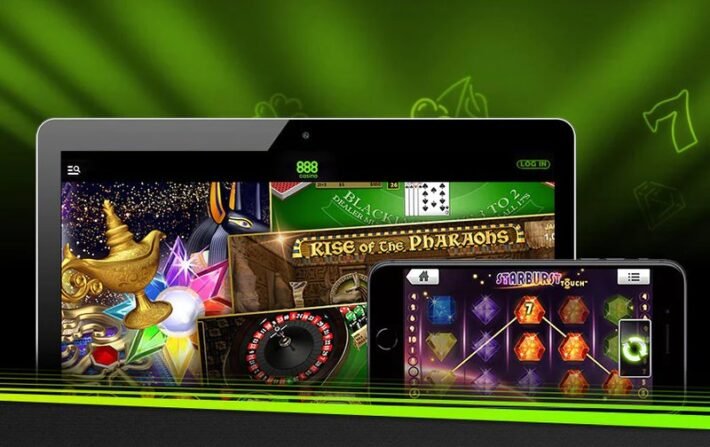
Mobile gaming means playing video games on a phone or tablet. The hardware is cheap, the software is often free or low‑priced, and the market reaches more than 3 billion users worldwide. For anyone who has ever tapped a screen while commuting or waiting in line, mobile games are the default entertainment.
Why the Numbers Matter
In 2023, the global mobile gaming revenue topped $90 billion, eclipsing console and PC sales combined. That figure translates to about 5 % of all global video‑game spend. The growth rate is 10 % per year, and the segment that earns the most—casual titles—accounts for 70 % of that revenue. These numbers show that the mobile ecosystem is not a side channel; it is the main engine of the industry.
Player Demographics and Skill Levels
Mobile gamers are younger on average. 60 % of players are under 30, and 30 % are under 18. The skill curve is steep in some titles: Clash Royale and Mobile Legends see competitive ladders that mirror traditional esports in depth. However, the barrier to entry is lower—no need for a high‑end PC or a subscription to a gaming service. Anyone can download a free title, spend a few minutes learning the controls, and join a ranked queue.
Hardware Constraints and Innovations
Phones have limited CPU, GPU, and battery life compared to a console. Developers compensate by optimizing graphics and physics. Yet, recent hardware such as the Snapdragon 8 Gen 2 can run 4K textures at 60 fps. This leap means mobile titles can now host more complex AI and larger maps, features once reserved for PCs.
Monetization Models and Their Impact on Competition
In-app purchases and ads dominate mobile revenue. A small fraction—around 2 %—of players spend over $100 a month, and those players often purchase competitive skins or battle passes. These spenders create a pay‑to‑win dynamic that is absent from most PC esports. The result is a tiered player base: casuals play for fun, while a minority invests heavily in competitive advantages.
For players looking to turn their mobile success into real‑world rewards, the online casino scene offers a thrilling alternative—discover the excitement of Mystake.
Infrastructure and Streaming
Mobile games run on cloud servers that can auto‑scale during peak times. This scalability allows tournaments to host thousands of concurrent viewers without lag. Streaming platforms like Twitch have added a “mobile” category, letting viewers watch matches directly from their phones. The ease of broadcasting from a phone means that smaller events can reach a global audience without the need for a studio.
Community and Social Integration
Social features are baked into almost every mobile title. In‑app chat, guild systems, and cross‑platform leaderboards create a sense of belonging. For example, Free Fire reports that 80 % of its players engage in guild activities weekly. These communities often evolve into fan clubs, streaming crews, and even professional teams.
Regulatory Challenges and Fair Play
Because mobile games are free to download, they attract a wide range of players, including minors. Some countries now require age verification for competitive tournaments. Additionally, anti‑cheat measures must adapt to the fact that players can switch devices mid‑match. Developers are experimenting with device fingerprinting and real‑time analytics to curb cheating.
How Mobile Gaming Is Shaping Tomorrow’s Esports Landscape
Mobile esports is already a $5 billion market, and that number is expected to grow to $10 billion by 2028. The lower entry cost expands the talent pool, while cloud infrastructure levels the playing field. However, the pay‑to‑win model could alienate players who prefer skill over spending. The balance between monetization and fair competition will dictate which titles thrive.
While the mobile scene is booming, many fans still crave the high‑end visuals and peripherals of PC and console esports. Yet, the cross‑platform nature of mobile titles means that a champion on a phone can be instantly streamed to a PC viewer, bridging the gap between casual and professional audiences.
In the same way that a simple click can launch a game, a single decision—like choosing whether to invest in a new skin—can shape a player’s career. The future of esports will likely be a hybrid space where mobile and traditional platforms coexist, each feeding into the other’s ecosystem.
Frequently Asked Questions
What is mobile gaming?
Mobile gaming is playing video games on smartphones or tablets using touchscreens or simple controls.
Why is it so popular?
Its low cost, free or inexpensive apps, and the ability to play anywhere attract over 3 billion users worldwide.
How much revenue does it generate?
In 2023, global mobile gaming revenue topped $90 billion, accounting for about 5 % of all video‑game spend.